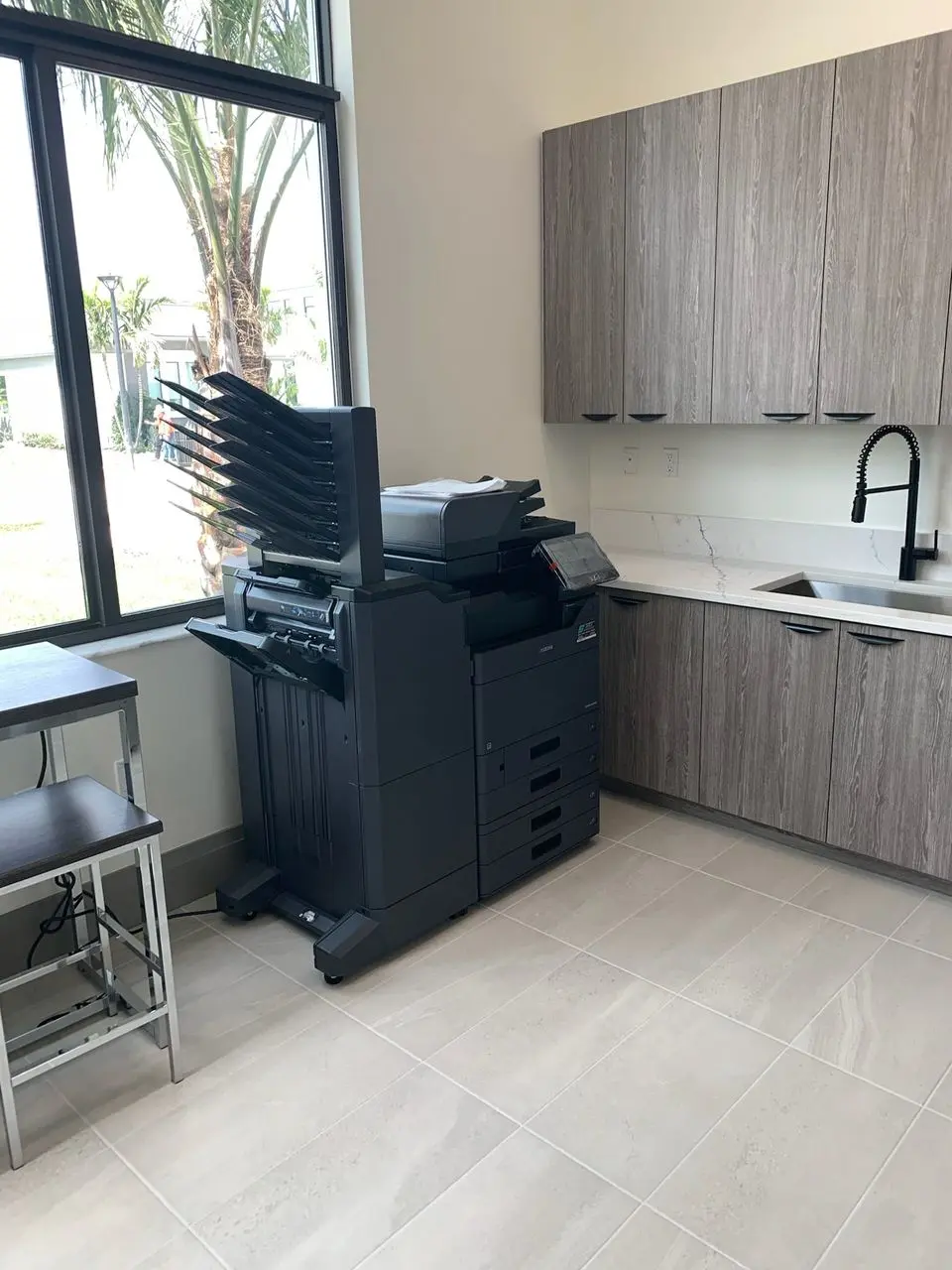
A copier lease should be reviewed months before the final payment. Notice requirements, automatic extensions, equipment return, shipping, remaining service, stored data and replacement timing can all affect the transition. Early planning gives the business options instead of a deadline-driven renewal.
01
Collect the lease and service agreement before calling vendors
Locate the signed equipment schedule, lease agreement, amendments, purchase-option language and current service contract. Confirm which legal entity signed, every serial number covered and the exact end date. Offices sometimes replace accessories or relocate machines during a term without keeping one complete file, so compare the paperwork with the equipment physically on-site.
The service agreement may end on a different date from the financing. Identify toner, parts and support coverage during the transition. If the current vendor sends invoices through several departments, ask accounting to collect them. The goal is one reliable record of payment, service, meter and notice obligations before the business makes any commitment.
- Signed lease and equipment schedule
- Serial numbers for the base unit and financed accessories
- Service agreement and current page rates
- Insurance, taxes and separate fee records
- Prior notices, amendments or equipment-move documents
02
Treat the notice window as the real deadline
Many agreements require written notice a defined number of days before expiration if the customer plans to return or purchase equipment. Missing that window can trigger an extension or additional payments. Read the contract rather than relying on a salesperson’s recollection. Confirm where notice must be sent, what delivery method is accepted and what information must be included.
Send notice through a trackable method permitted by the agreement and retain proof. Ask the leasing company to acknowledge the request in writing. Calendar internal milestones well before the formal date: review workflow, request proposals, select equipment and schedule installation. A generous buffer protects the office if financing, delivery or network preparation takes longer than expected.
| Timeline | Recommended action |
|---|---|
| 9–12 months before end | Find agreements and review notice language |
| 6–9 months | Gather meters, service history and user requirements |
| 4–6 months | Compare keep, return, purchase and replacement paths |
| Before contractual notice date | Send compliant written notice and retain proof |
| 30–60 days before transition | Confirm delivery, network, data and return logistics |
03
Evaluate return, purchase, renewal and replacement separately
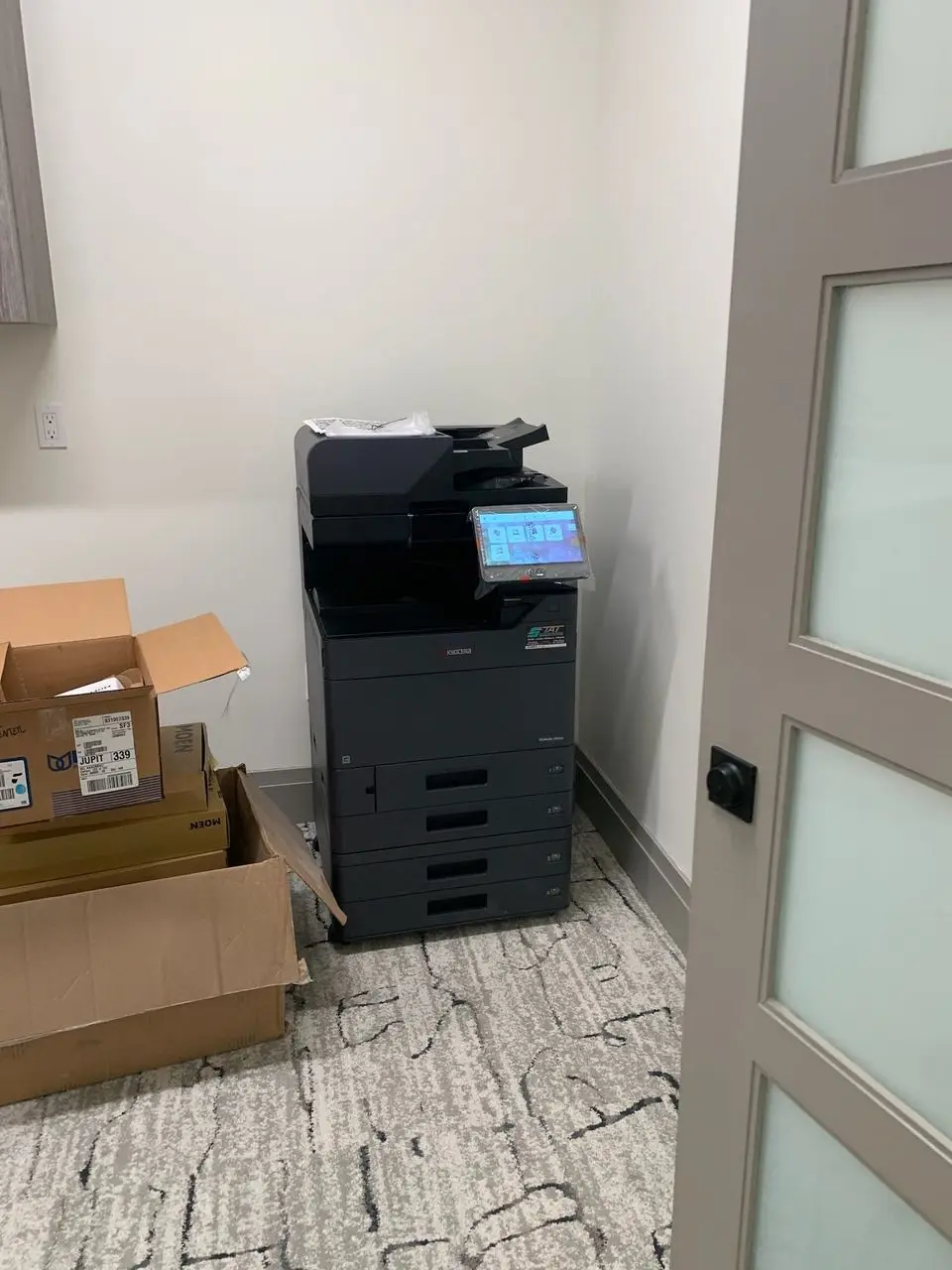
Returning the copier may be appropriate when the workflow changed or the device is approaching a less attractive support period. A purchase option can make sense when the machine remains dependable, supported and well matched, but ownership transfers future maintenance risk to the business. Renewal can be convenient, yet convenience alone is not evidence that the configuration or terms remain competitive.
Replacement should begin with current requirements rather than a like-for-like model quote. Review monthly volume, scan destinations, security, paper, finishing and office growth. If employees added desktop printers or outsourced work during the term, include that activity. The next copier should solve the environment that exists now, not recreate a decision made several years earlier.
04
Clarify removal, shipping, condition and accessories
Ask the leasing company for written return instructions. Determine who arranges pickup, who pays freight, which destination receives the equipment and whether professional packaging is required. A dealer taking delivery of the replacement may assist with logistics, but the original lessee should verify that every contractual return step is completed and documented.
Photograph the copier and accessories before removal, record final meters and retain the carrier receipt. Return all financed components listed on the schedule, which can include finishers, paper decks or other accessories. Do not assume toner, network cards or add-ons can be separated without checking. If damage exists, discuss it before the pickup date rather than discovering a dispute after the machine leaves.
05
Coordinate configuration export and data disposition
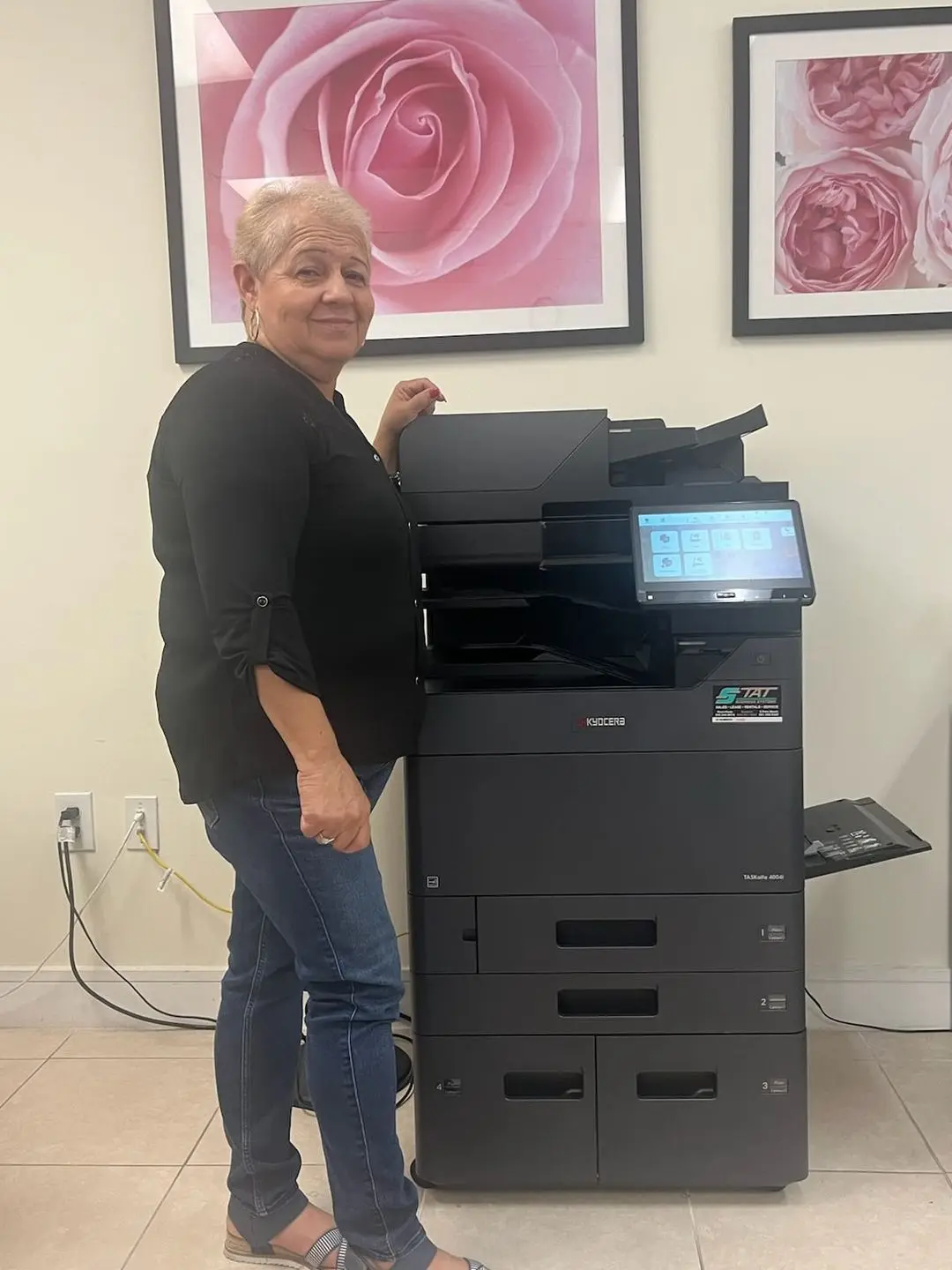
Address books, user settings and scan workflows may need to move to the new system. Decide which entries are still valid and remove former employees or obsolete destinations instead of copying years of clutter. IT should verify how credentials, certificates, network addresses and secure-print policies will be rebuilt and tested.
Commercial multifunction devices can process or store information. Follow the organization’s documented security policy and the manufacturer-supported procedure for data removal before return or disposal. Obtain records required by internal policy. Do not perform an undocumented reset too early; the office may lose configuration needed for transition before replacement workflows are ready.
- Export only current approved address-book entries
- Document print queues, drivers and scan destinations
- Confirm user authentication and security requirements
- Follow approved device-data removal procedures
- Retain final meter and return documentation
06
Create overlap only when it reduces a defined risk
A short overlap can give employees time to test printing, scanning and finishing before the old copier leaves. Too much overlap creates duplicate payments, confusing queues and uncertainty about which device is supported. Set a cutover date, assign testing and publish the retirement date for the old queue. Use sample jobs from each key department rather than assuming one test page proves readiness.
Gold Coast Copiers helps businesses across Broward, Miami-Dade and Palm Beach review copier lease milestones, current workflow and replacement options. We can coordinate Kyocera recommendations, installation and local support while the customer manages its contractual relationship with the leasing company. Early planning is the most valuable lease-end tool because it preserves negotiating time and keeps the office from choosing under pressure.
FAQ
Frequently asked questions
When should we start reviewing a copier lease?+
Start nine to twelve months before expiration when possible. This gives time to locate notice requirements, analyze workflow, compare options and coordinate delivery without a rushed renewal.
Who pays to return a leased copier?+
The contract controls. Customers may be responsible for removal, packaging and freight to a specified location. Request written instructions and do not assume the replacement dealer automatically satisfies the obligation.
Can we buy the copier at the end of the lease?+
Possibly, depending on the agreement. Compare the purchase option with equipment condition, parts support, future service cost, security and whether the system still fits current needs.